



News | 30/07/2025
Ageing Potential – Which Wines Are Suitable for Cellaring?
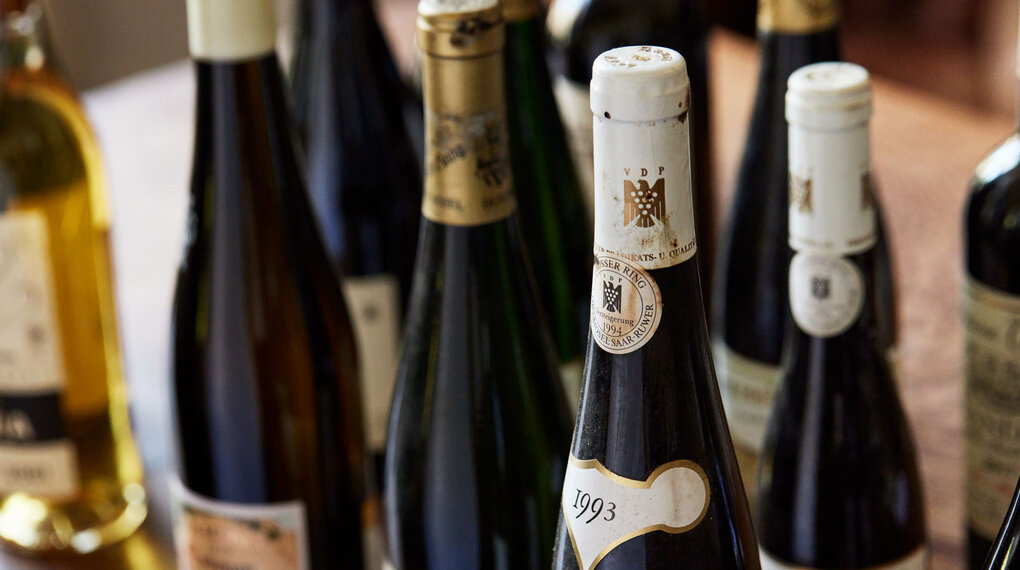
Not every wine improves with time. A wine’s ageing potential depends on several factors: the grape variety, the structure of the wine, its origin and the winemaking approach. Discover which characteristics make a wine suitable for cellaring and which wines benefit most from extended ageing.
Structure and Composition
Key characteristics that support strong ageing potential usually include:
- High tannin levels
- Pronounced acidity
- Sufficient alcohol content
- Residual sugar
These elements act as natural preservatives and help the wine evolve positively over many years. In red wines, tannins provide structure and stability, while acidity, particularly in white wines, contributes freshness and longevity. A high extract level and a certain concentration in the wine can further support its ability to age.
Vinification as the Key to Ageing Potential
Alongside grape variety, origin and structure, the winemaking process also plays a crucial role in determining how well a wine can age. Ageing in oak barrels, longer skin contact during fermentation for red wines, or avoiding early filtration and stabilisation can significantly increase a wine’s ageing potential.
Everyday Wines for Early Enjoyment
Wines that are vinified for immediate enjoyment usually have lower ageing potential, even if they are made from grape varieties that are generally capable of ageing. The decisive factor is whether the wine has enough tannin, acidity and extract to develop harmoniously over many years.
Important Factors in the Cellar
For long-lived white wines such as mature Rieslings or great Chardonnays, ageing on the fine lees, sometimes in oak barrels, and a slow, gentle maturation process are essential.
For red wines, extended skin contact during fermentation, ageing in oak and a sufficiently high tannin structure form the foundation for long-term ageing.
Red Grape Varieties with High Ageing Potential
Certain grape varieties are well known for their ability to age gracefully. Naturally rich in tannins, acidity and structure, they can evolve positively over many years. Among the most notable red varieties are:
White Grape Varieties with High Ageing Potential
Among white wines, two varieties are particularly noteworthy:
Thanks to its high, well-integrated acidity and aromatic intensity, Riesling can maintain its freshness for many years while developing complex tertiary aromas. Chardonnay, especially when aged in oak barrels, can also display remarkable ageing potential.
Terroir and Region Also Play a Role
Wines from the following renowned wine regions are often known for their exceptional longevity. The combination of climate, soil composition and traditional winemaking methods results in wines with remarkable structure and ageing capacity.
However, regions such as Tuscany, Rioja, the Rhône Valley or Germany’s top vineyard sites also produce wines capable of ageing for decades. Ultimately, more important than the name of the region is whether the climate, vineyard conditions and winemaking style are geared towards creating wines with long ageing potential.